Published by Adrian Vogel · Reading time: approx. 3 minutes
The mug never cost Selin a penny. It was a giveaway in her first week at university, white with a blue logo, and the handle has been chipped since 2011. Now she is standing with it in her new storage cage in the basement, four square metres, in front of a moving box labelled "Uni" that has stayed shut through three flats.
Next to it stands an empty crate for Sunday's flea market. At a flea market Selin would not pay two euros for a mug like this. She still cannot put it in the crate. She is 34, likes tidying and considers herself a sensible person. After an hour there are two things in the flea-market crate, and the mug is back in the Uni box.
Selin is made up; her story is an example.
Before you start: This article summarises research in general terms and is no substitute for psychological, medical or other professional advice.
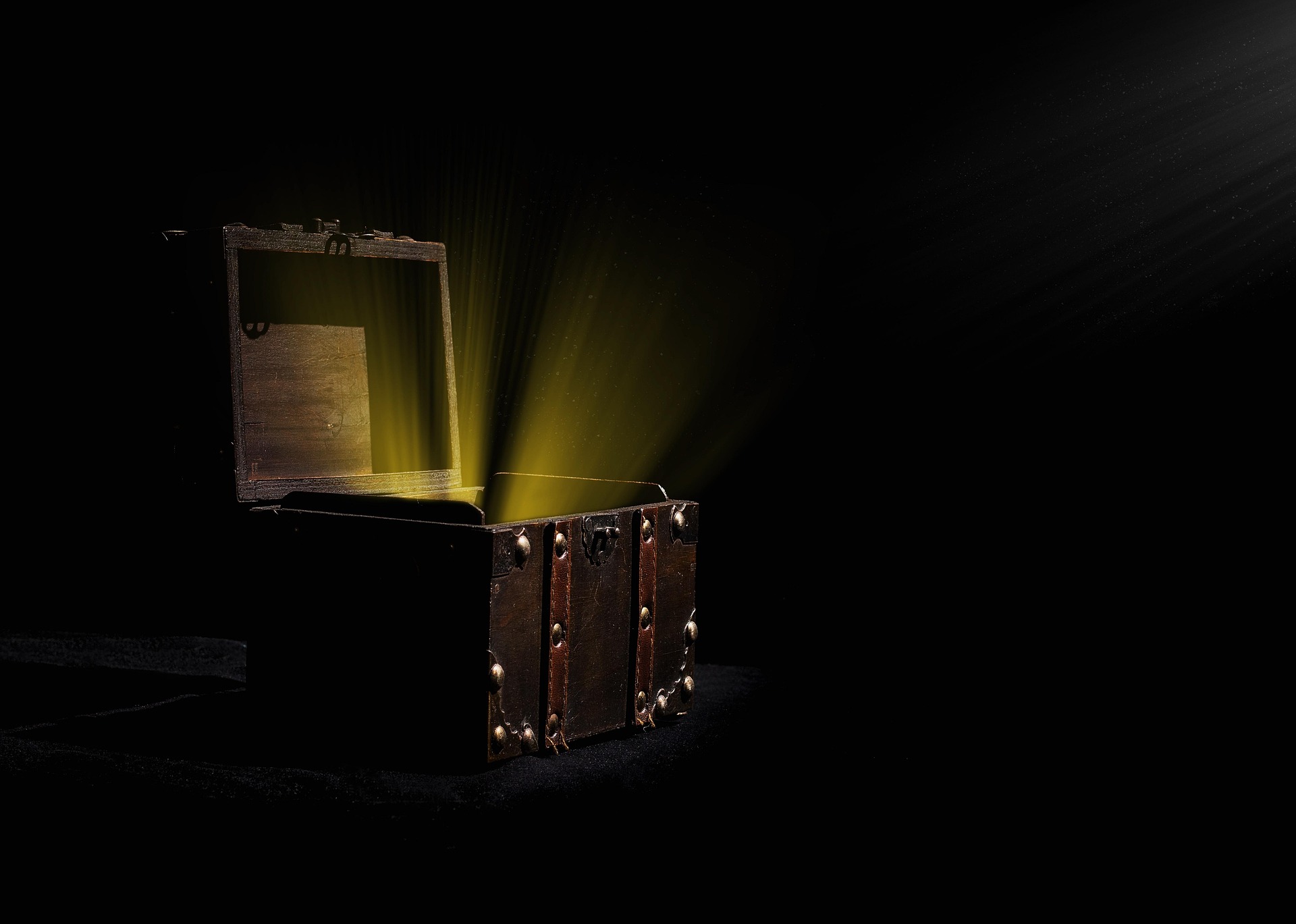
The Mug Is Worth More Because It Is Selin's
What Selin is going through has a name: the endowment effect. The economist Richard Thaler coined the term in 1980. We value an object more highly the moment it belongs to us.
The classic study comes from Daniel Kahneman, Jack Knetsch and Richard Thaler (1990). At Cornell University, half the students were given a coffee mug, and then they were allowed to trade. In theory, roughly half the mugs should have changed hands. Hardly any did: the owners wanted about twice what the others were willing to pay. And these were mugs handed out at random minutes earlier. Owning them was enough.
Selin's mug has been hers for 16 years. That is not a weakness but a well-documented pattern.
Try it now
Free for 14 days, no payment details. All you need is your email address.
Registration is subject to our Terms and Conditions and Privacy Notice.
The Fuller the Box, the Longer It Stays Shut
That the Uni box stayed shut through three moves has a name too: the ostrich effect (Galai & Sade, 2006). We avoid information that might hurt. Karlsson, Loewenstein and Seppi (2009) demonstrated it with investors: when markets rise, they check their investments more often, and when markets fall, less often.
Carried over to the basement, explicitly as an analogy: the more unmanageable it gets, the less we want to look. That is why some boxes stay shut for years, even though we know exactly what is waiting inside.
On Monday, Selin Starts Counting
What helps comes from a car wash. Joseph Nunes and Xavier Drèze (2006) handed out loyalty cards there. One group got eight empty boxes, the other ten, two of them already stamped. Both groups needed eight washes. Yet 34 per cent of those with the head start redeemed their card, against only 19 per cent without it. Visible progress was enough to keep people going.
Selin tries it out on Monday evening. In OWNAMIC she sets up the "Order & Legacy" template with its three collections Keep, Sell or give away and Discard. Then she photographs what is in the Uni box and decides one piece at a time. The letting-go balance on the collection keeps count. By piece 12 she notices she is getting faster.
A Photo Keeps the Story, the Mug Can Go
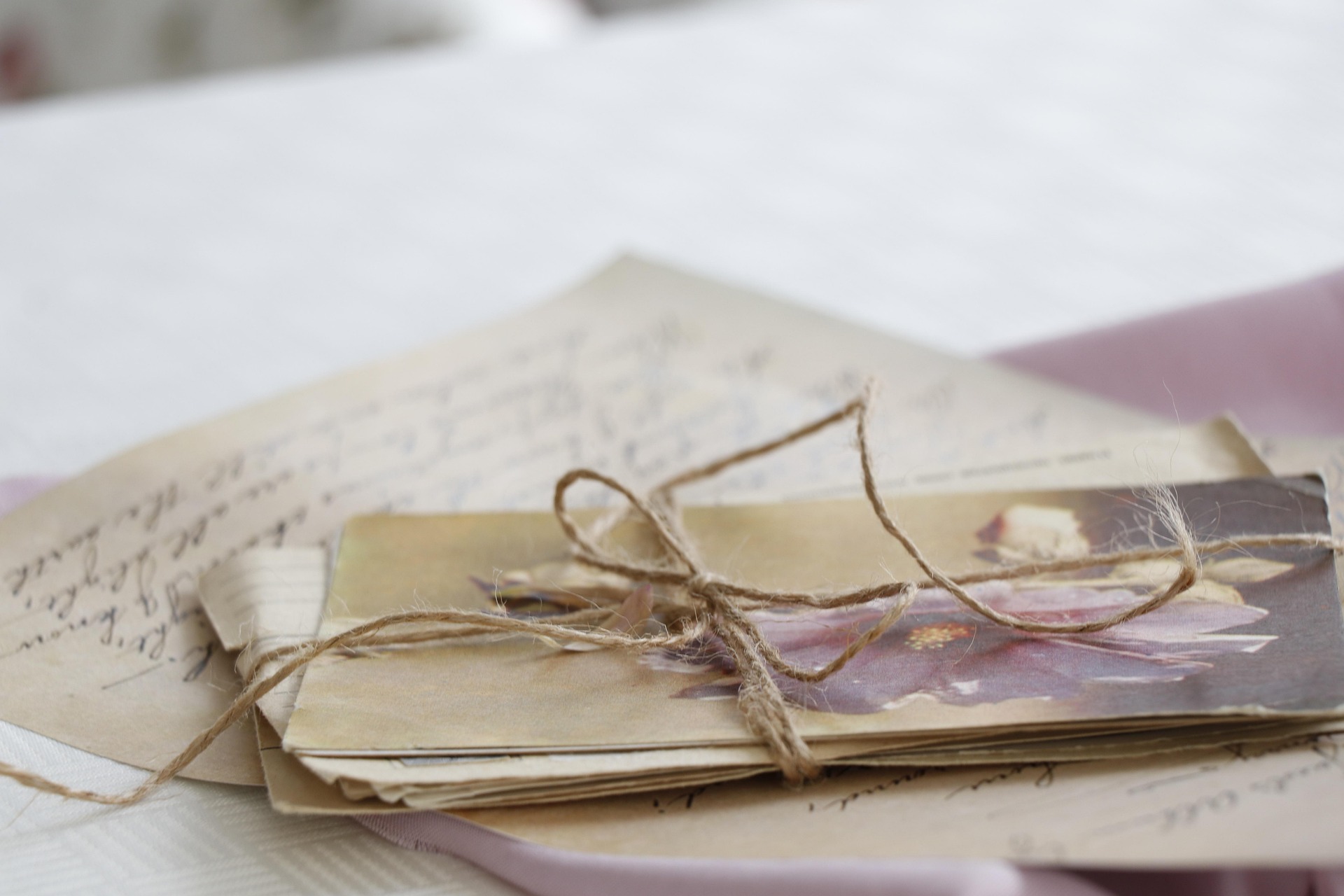
That leaves the mug. A trick from research helps here: photograph the object, write two sentences about it, and then let it go. In a donation study, people gave away noticeably more when they had taken a photo first (Winterich, Reczek & Irwin, 2017). What we actually want to keep is usually the story, not the object.
Selin photographs the mug and writes: first week at university, October 2010, the chip on the handle dates from the move into her first flatshare. Then she puts the mug under Discard.
Of the 40 pieces in the Uni box, say, 9 stayed, 17 went to the flea market on Sunday and the rest into paper recycling. The box is a shoebox now. The photo of the mug is still there.
No photo made the decision for her; it only made it easier. If accumulating or letting go becomes a real burden, documentation is no substitute for help from people who know about it.
The decluttering occasion gives you a concrete way in; getting organised starts one step earlier.
Read on: Writing down your progress · Getting organised step by step
Try it now
Free for 14 days, no payment details. All you need is your email address.
Registration is subject to our Terms and Conditions and Privacy Notice.
Sources
- Thaler, R. H. (1980). Toward a Positive Theory of Consumer Choice. Journal of Economic Behavior & Organization, 1(1), 39–60.
- Kahneman, D., Knetsch, J. L., & Thaler, R. H. (1990). Experimental Tests of the Endowment Effect and the Coase Theorem. Journal of Political Economy, 98(6), 1325–1348.
- Galai, D., & Sade, O. (2006). The "Ostrich Effect" and the Relationship between the Liquidity and the Yields of Financial Assets. The Journal of Business, 79(5), 2741–2759.
- Karlsson, N., Loewenstein, G., & Seppi, D. (2009). The Ostrich Effect: Selective Attention to Information. Journal of Risk and Uncertainty, 38(2), 95–115.
- Nunes, J. C., & Drèze, X. (2006). The Endowed Progress Effect: How Artificial Advancement Increases Effort. Journal of Consumer Research, 32(4), 504–512.
- Winterich, K. P., Reczek, R. W., & Irwin, J. R. (2017). Keeping the Memory but Not the Possession: Memory Preservation Mitigates Identity Loss from Product Disposition. Journal of Marketing, 81(5), 104–120.