Published by Adrian Vogel · Reading time: approx. 5 minutes · As of: 21 November 2026
On Ines's mother's fridge there are three notes with the same sentence: "Bins go out on Tuesday." Hildegard is 79, lives alone and manages well. Only the shopping, the letters from the bank and the weekly pill box have been Ines's job since the summer. Every Saturday, about six hours.
Hildegard doesn't have a care grade. "I'm not that far yet," she says. Ines wasn't sure either.
Then, on the train home, she reads that the 2027 care reform is set to raise the thresholds for care grades. Anyone applying from January would need more points for the same grade. Ines puts her phone down and asks herself seriously for the first time how many points her mother would actually have.
Ines and Hildegard are made up; their story is an example.
Before you start: Guidance under German law, not legal advice. The reform has not been passed; all new amounts come from the government draft of 30 September 2026 and may change. Whether an application makes sense in your case is something to clarify with the care insurance fund, a local care advice centre or social counselling. OWNAMIC documents and does not advise. As of 21 November 2026.
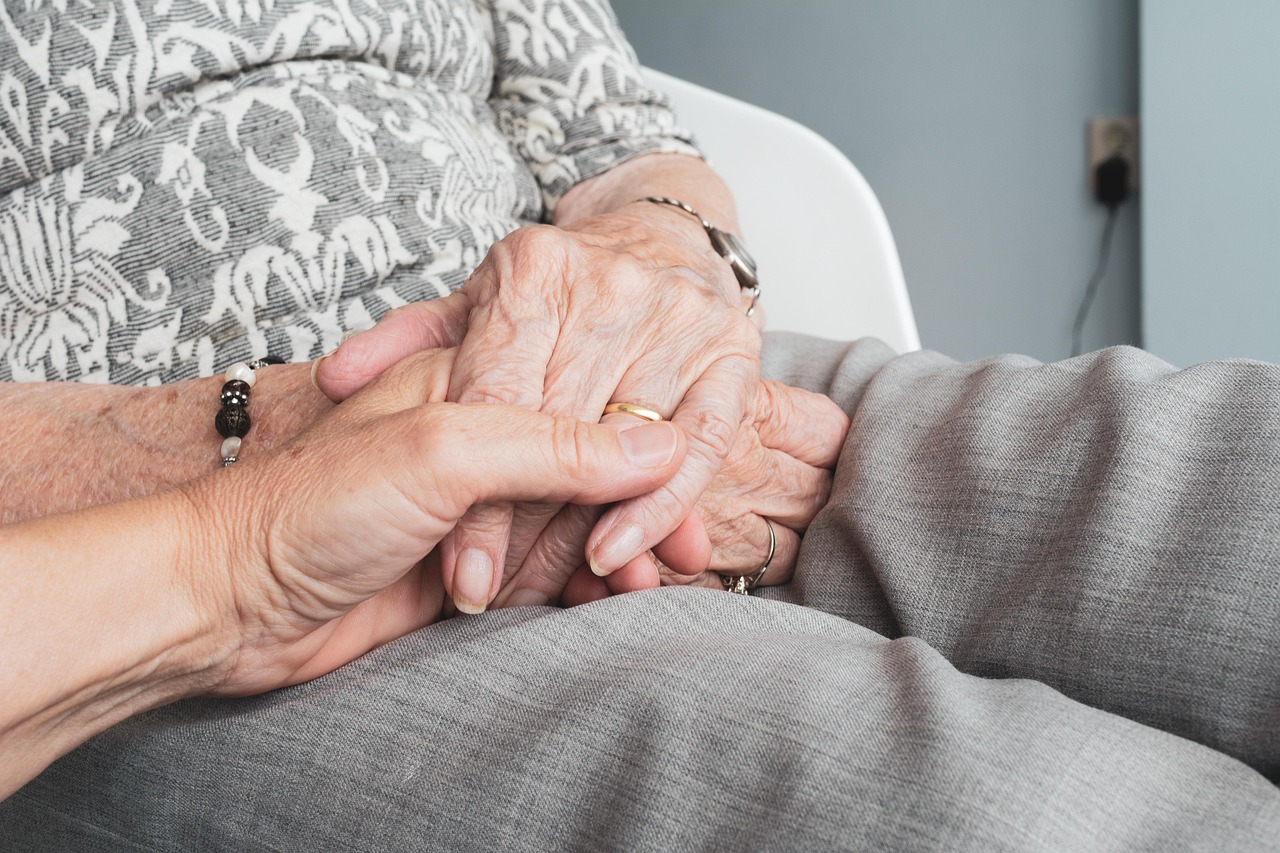
Nothing is decided yet, but the timetable is set
First Ines wants to know what already applies. The reform is called the Care Reorganisation Act. The cabinet adopted the draft on 30 September 2026, and the Bundestag held its first reading on 5 November (Bundestag). The health committee hearing is on 25 November, and the vote is planned for December. The coalition has already announced it will make changes (ZDFheute).
Most changes are meant to apply from 1 January 2027, some only from 2028 or 2029. For Ines that means reading every figure as a plan, not a promise.
Try it now
Free for 14 days, no payment details. All you need is your email address.
Registration is subject to our Terms and Conditions and Privacy Notice.
The thresholds for care grades are set to rise
When the medical service assesses someone, it awards points depending on how independent they are in daily life. The points determine the care grade. The draft moves the lower limits (government draft, section 15 SGB XI):
| Care grade | today | planned from 2027 |
|---|---|---|
| 1 | 12.5 to under 27 points | 15 to under 30 points |
| 2 | 27 to under 47.5 points | 30 to under 50 points |
| 3 | 47.5 to under 70 points | 50 to under 70 points |
| 4 and 5 | from 70 and 90 points | unchanged |
Two rules in the draft matter to Ines. Anyone assessed by 31 December 2026 does not lose their grade purely because of the new thresholds. And for a new application, the law in force on the day it reaches the care insurance fund applies. That is why the social association VdK advises filing a first application this year if a care grade might be on the cards (VdK).
On Monday Ines calls the local care advice centre. Nobody there can say whether her mother will get a grade; the assessment decides that. But the application needs no form, and a phone call to the care insurance fund is enough. On Saturday she asks Hildegard, who says after a while: "If it doesn't cost anything."
More care allowance on paper, less in the sums
Then Ines works out what the draft would mean if her mother got care grade 2. The care allowance is to be renamed "relief budget" and rise from €347 to €380 a month. That sounds like €33 more.
But the budget is also meant to cover things that are paid separately today. Consumable care aids, such as gloves or bed protectors, currently come on top, up to €42 a month. Respite care, for when Ines herself is unavailable, is to disappear as a separate benefit. Today, care allowance and consumables together come to €389, which is more than the planned €380. This calculation is Ines's own, based on the figures in the draft.
Other points Ines notes down:
- Care grade 1: The relief amount of €131 is to go. Instead there are up to two extra advice sessions in the first three months after the grade is awarded, then one every six months.
- Care grades 2 to 5: Instead of the relief amount, a "local support budget" of up to €175 a month is planned (up to €300 for people under 25), only for recognised services that help with everyday life.
- Short-term and respite care: The joint annual amount of €3,539 is to go. For short-term care and acute situations, such as Ines suddenly being unable to help, there is to be a "bridging budget" of up to €2,285 a year. Planned cover, for example while Ines is on holiday, is to be paid from the relief budget or the budget for the care service.
- Care homes: The supplements towards residents' own contribution stay staggered at 15, 30, 50 and 75 per cent. On national average, residents pay €3,364 a month themselves in their first year (vdek).
People without children are set to pay more, parental maintenance stays as it is
Ines's brother Lukas has no children. For him the surcharge on care insurance is to rise from 0.6 to 0.9 percentage points in January. According to the draft, the general rate stays at 3.6 per cent, usually half of which his employer pays. Lukas pays the surcharge on his own: his share rises from 2.4 to 2.7 per cent of his gross pay, in Saxony from 2.9 to 3.2 per cent. The total contribution for people without children rises from 4.2 to 4.5 per cent.
And then the question on both their minds: would they have to pay if their mother moved into a care home one day? The draft changes nothing there. Children are still only asked to contribute towards their parents' care if their annual income is above €100,000 gross.
What is at hand at the end
In the week after the first Sunday of Advent, Ines and Hildegard file the application by phone. In OWNAMIC, Ines creates a shared space for her mother's papers and invites Lukas. In it are a photo of the application confirmation, a note of everything Ines takes care of each week, the medication list from the GP and the receipts for the home emergency call service. When the decision letter arrives, it goes next to them.
Ines doesn't know yet whether Hildegard will get a care grade, or which one. Nor which amounts will end up in the law. But when the assessor asks what daily life looks like, she won't have to tell it from memory. And Lukas sees the same as she does.
If you want to try it: 14-day free trial, no payment details; paid afterwards, cancel any time. More about the Order & legacy edition and the emergency binder.
Read on: Clearing a parent's home with siblings · Swedish death cleaning · How long to keep bank statements
Try it now
Free for 14 days, no payment details. All you need is your email address.
Registration is subject to our Terms and Conditions and Privacy Notice.
Sources
- Federal Ministry of Health: cabinet draft of the Care Reorganisation Act (PNOG), 30 Sep 2026 (German): bundesgesundheitsministerium.de
- Federal Ministry of Health: status of the PNOG, as of 20 Nov 2026 (German): bundesgesundheitsministerium.de
- German Bundestag: first reading of the Care Reorganisation Act, 5 Nov 2026 (German): bundestag.de
- German Bundestag: public hearing in the health committee, 25 Nov 2026 (German): bundestag.de
- ZDFheute: Care reform in the Bundestag, 5 Nov 2026 (German): zdfheute.de
- VdK social association: Care reform – apply for a care grade now, 18 Aug 2026 (German): vdk.de
- Federal Ministry of Health: long-term care insurance benefit amounts from 1 Jan 2025 (German): bundesgesundheitsministerium.de
- vdek: residents' own contributions in care homes, as of 1 Jul 2026 (German): vdek.com